



Primary focusInstitutions
Influence mechanismEvidence
At a glance
Best forHolding institutions and organizations accountable over time.
Creates change byMaking commitments, actions, and results visible and open to review.
Works best whenResponsibilities or commitments can be compared with observable evidence.
What is Monitoring and Oversight?
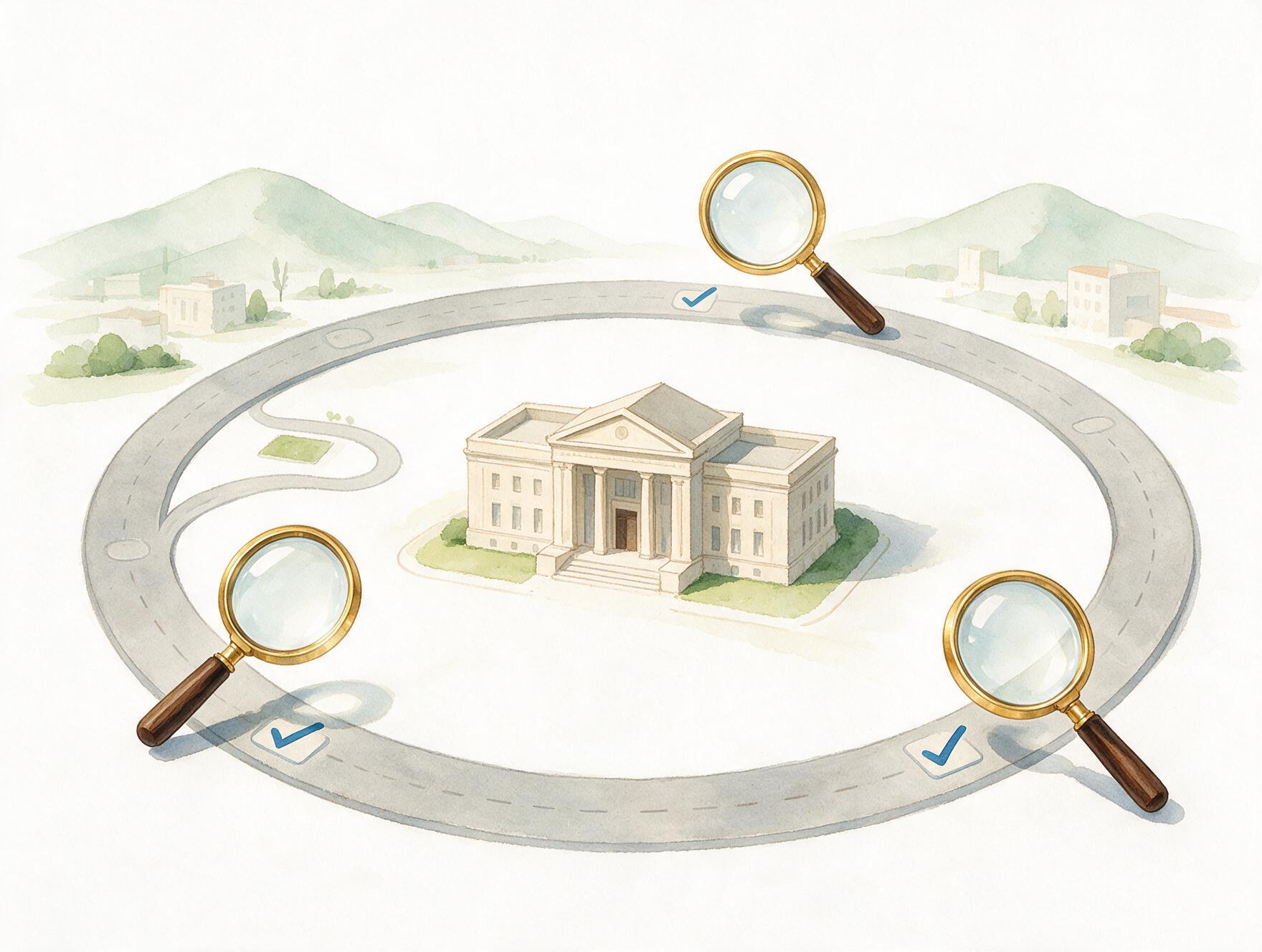
Monitoring and Oversight is a participation strategy that tracks actions, commitments, and results to support accountability.Participants observe what institutions or organizations do, document important developments, and compare actual results with promises, responsibilities, targets, or other clear standards.This strategy is especially useful when accountability depends on what happens over time, not only on a single decision or announcement.“A commitment is easier to hold accountable when people can check what happened and compare it with what was promised.”
insights
Key takeawayAccountability becomes stronger when commitments and actions can be observed, documented, and compared.
Characteristics
Best used forCreating accountability
Influence mechanismEvidence
Primary focusInstitutions
Time horizonMonths
Organizational complexityModerate
External dependencyModerate
Why it works
Creates accountabilityMakes decisions, commitments, and results visible so they can be reviewed and compared.
Generates evidenceProduces structured information that can support claims, proposals, decisions, or accountability.
Builds legitimacyShows that an initiative has a credible basis, relevant support, or appropriate evidence.
Reduces uncertaintyProvides information or practical experience that makes risks, options, and possible outcomes clearer.
Creates public visibilityMakes an issue easier to notice through public activity, communication, or repeated exposure.
How influence develops
1. Define what to monitorIdentify the commitments, responsibilities, standards, decisions, or results that should be followed over time.
2. Set a reference pointRecord what was promised, required, expected, or previously observed so later results can be compared.
3. Observe and documentCollect relevant information consistently enough to create a reliable record of actions and results.
4. Compare performanceCompare what happened with commitments, responsibilities, targets, or other relevant standards.
5. Make findings visibleShare progress, failures, and differences in a form that relevant audiences can understand and review.
6. Strengthen accountabilityContinued scrutiny can create pressure to explain problems, correct failures, and follow through on commitments.
Decision guide
Use this strategy when
commitments or responsibilities need to be followed over time
implementation matters as much as the original decision
performance can be compared with clear standards, targets, or expectations
independent documentation could strengthen accountability
problems may only become visible over time
Avoid it when
there is nothing clear enough to observe or measure
the main need is to secure a commitment rather than track one
reliable information cannot be collected responsibly
there is no realistic way to use the findings to seek explanation, correction, or action
Strategic strengths
check_circle
Extends accountability over timeAttention continues after decisions and announcements, when problems with implementation may become visible.
check_circle
Creates a clear recordRegular documentation makes it easier to compare commitments with actual actions and results.
check_circle
Finds problems earlyRepeated monitoring can reveal delays, gaps, or unexpected effects before they become harder to address.
check_circle
Supports informed scrutinyDocumented findings give people a clearer basis for asking questions and requesting correction.
Practical limitations
Needs continued effortUseful oversight usually requires repeated observation rather than a single review.
Depends on available informationImportant actions may be difficult to assess when records, decisions, or processes are not visible.
Standards may be disputedPeople may disagree about what should be measured or what counts as acceptable performance.
Findings need a next stepDocumenting problems has limited effect if nobody can or will respond to them.
Risks & ethics
Privacy riskParticipation or documentation may expose personal, sensitive, or identifying information.
MisrepresentationThe initiative may overstate support, evidence, representation, or likely results.
BiasDecisions, evidence, or participation may consistently favor some perspectives over others.
Legal riskActivities may create legal, regulatory, contractual, or liability concerns.
Loss of trustPoor transparency, weak follow-through, or unfair processes may damage relationships and trust.
security
InsightOversight should remain evidence-based and proportionate, especially when findings could affect people's privacy, reputation, or perceived responsibility.
Common mistakes
Unclear goalThe initiative has not clearly defined the result the strategy should support.
Insufficient evidenceClaims or decisions are made without enough credible information.
Poor communicationParticipants do not receive clear, timely, or consistent information about the work.
Weak follow-upThe initiative does not communicate results, maintain relationships, or act on what was learned.
Measuring only numbersSuccess is judged only by counts instead of also considering quality, influence, or lasting results.
Expected outcomes
Institutional accountabilityAn institution is required to explain, review, or correct its decisions or actions.
Better evidenceThe initiative gains more credible, relevant, and well-organized information.
Behavior changeIndividuals, organizations, or institutions change how they act.
Policy changeA policy is introduced, changed, adopted, rejected, or implemented differently.
Better public dialoguePublic discussion becomes better informed, more constructive, and more focused on the issue.
Works well with







FAQ
What can be monitored?Commitments, decisions, implementation steps, spending, outcomes, standards, responsibilities, and other observable indicators can all be monitored.
How long should monitoring continue?Long enough to observe the relevant result or implementation. Some commitments can be checked quickly, while larger changes may need monitoring over a much longer period.
Does monitoring create accountability by itself?Not always. Findings are more useful when there is a credible way to communicate them, request correction, or involve people or institutions that can respond.
How can monitoring remain credible?Use clear standards, document sources and methods, separate observations from interpretation, and apply the same criteria consistently.