

StrategiesExplore participation strategies and how they create influence.
PressureUse public, political, or economic pressure to influence decisions and behavior.

Influencing decisions
Political incentives
Political actors
Time horizonMonths
Organizational complexityModerate
External dependencyHigh

Creating pressure
Economic leverage
Market actors
Time horizonWeeks–Months
Organizational complexityLight
External dependencyModerate

Creating pressure
Public attention
Decision-makers
Time horizonWeeks–Months
Organizational complexityModerate
External dependencyModerate

Shaping public opinion
Public attention
Public opinion
Time horizonWeeks
Organizational complexityModerate
External dependencyLow
KnowledgeBuild understanding through evidence, expertise, research, and learning.

Informing decisions
Evidence
Decision-makers
Time horizonWeeks
Organizational complexityModerate
External dependencyLow
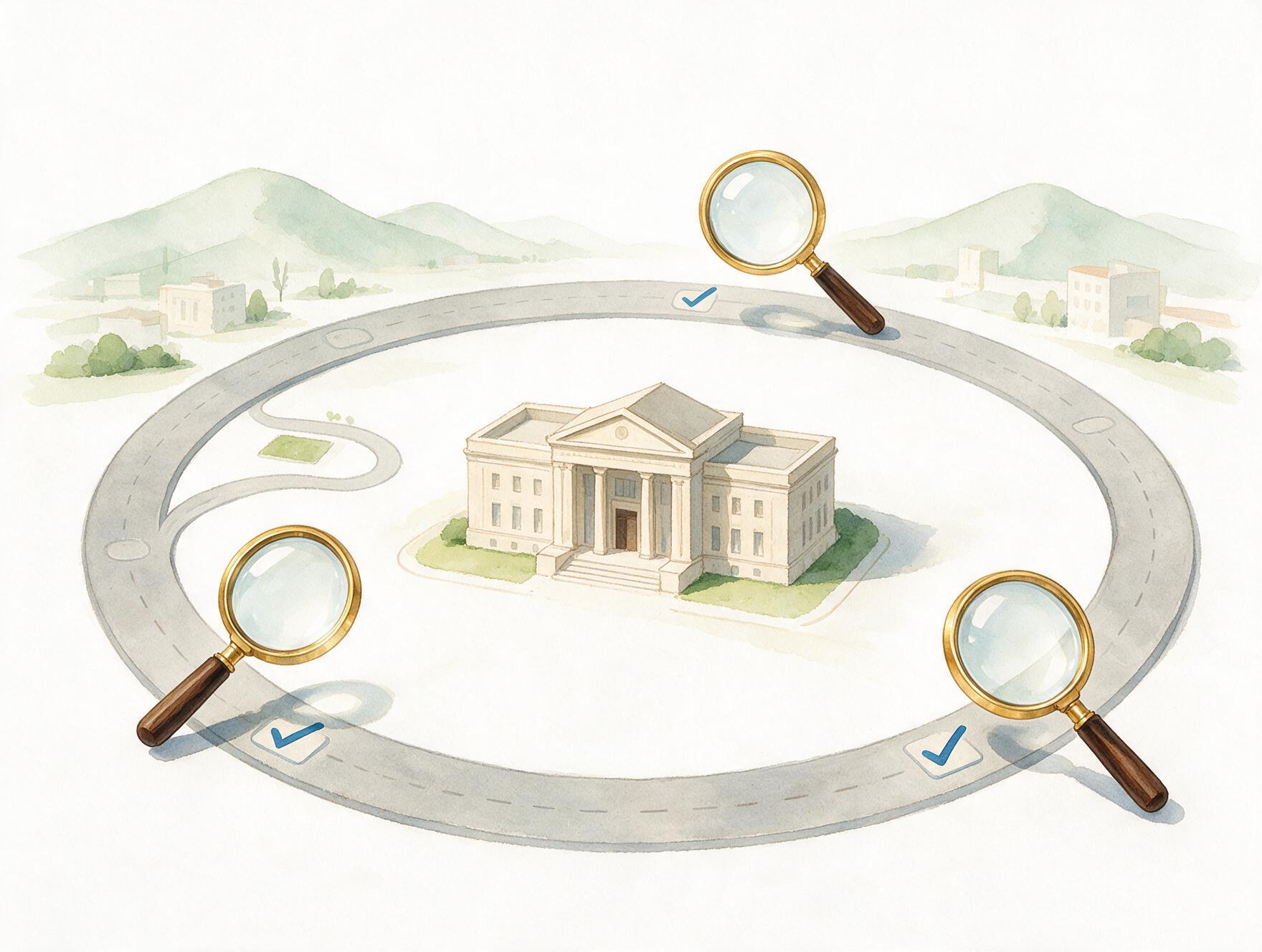
Creating accountability
Evidence
Institutions
Time horizonMonths
Organizational complexityModerate
External dependencyModerate

Developing solutions
Evidence
Decision-makers
Time horizonMonths
Organizational complexityHeavy
External dependencyModerate

Informing decisions
Participant input
Communities
Time horizonWeeks–Months
Organizational complexityModerate
External dependencyModerate
CoordinationHelp people and groups work together toward a shared objective.

Building alliances
Relationships
Organizations
Time horizonMonths–Years
Organizational complexityHeavy
External dependencyHigh

Building participation
Collective action
Communities
Time horizonWeeks–Months
Organizational complexityHeavy
External dependencyModerate
ImplementationPut ideas and solutions into practice through concrete action.

Developing solutions
Direct action
Communities
Time horizonWeeks–Months
Organizational complexityHeavy
External dependencyModerate
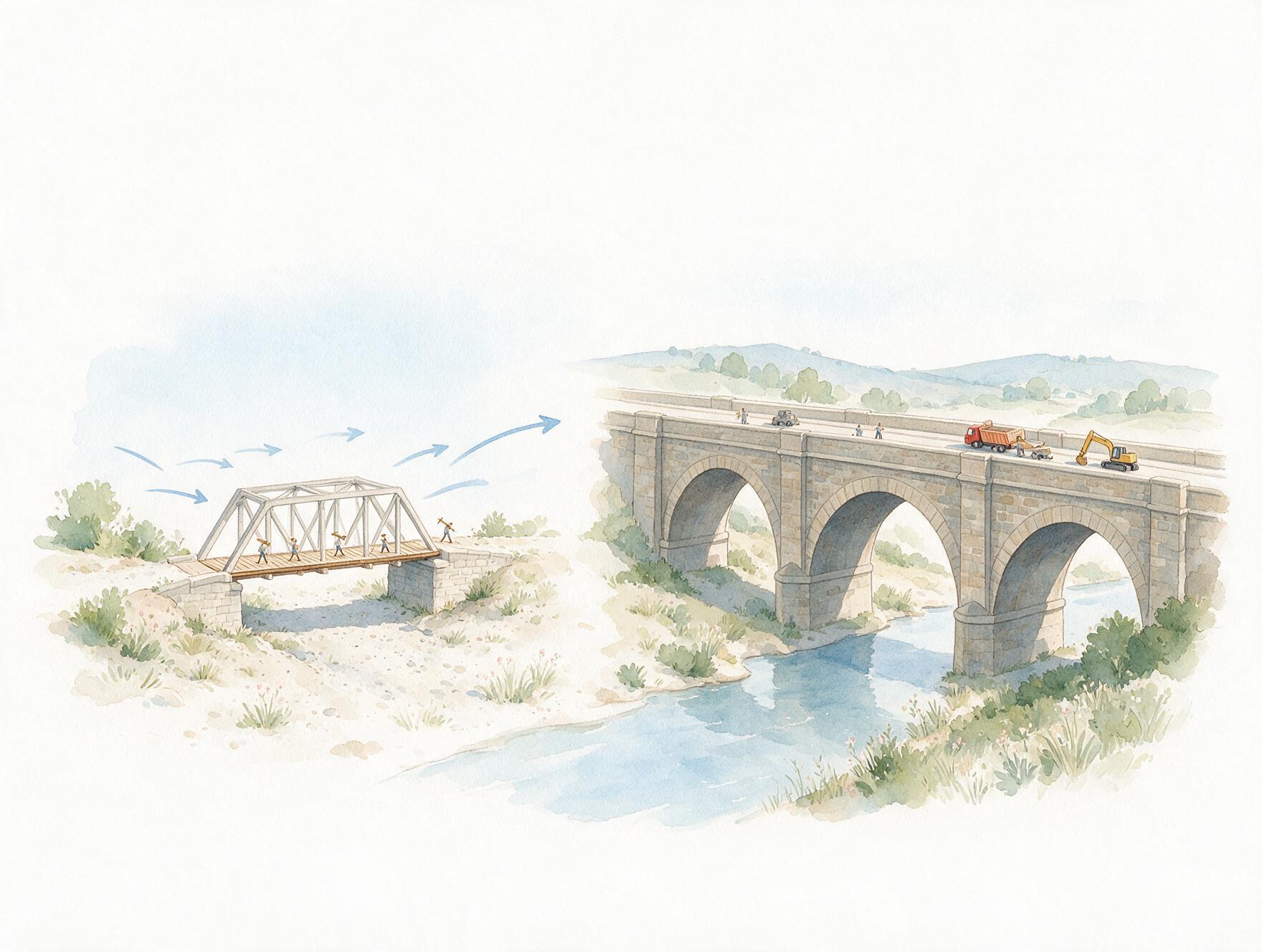
Testing solutions
Practical demonstration
Decision-makers
Time horizonMonths
Organizational complexityHeavy
External dependencyModerate
InstitutionalWork through formal institutions, processes, and accountability systems.

Influencing decisions
Institutional access
Institutions
Time horizonMonths
Organizational complexityModerate
External dependencyHigh

Creating accountability
Legal authority
Institutions
Time horizonMonths–Years
Organizational complexityHeavy
External dependencyHigh
CapacityBuild the skills, people, and practical ability needed to act.

ResourceSecure funding, tools, people, and other support needed for the initiative.