



Primary focusPublic opinion
Influence mechanismPublic attention
At a glance
Best forIncreasing public attention around an issue.
Creates change byMaking the issue easier to notice through repeated public-facing communication and activity.
Works best whenLimited awareness or attention is preventing the issue from gaining wider interest.
What is Visibility?
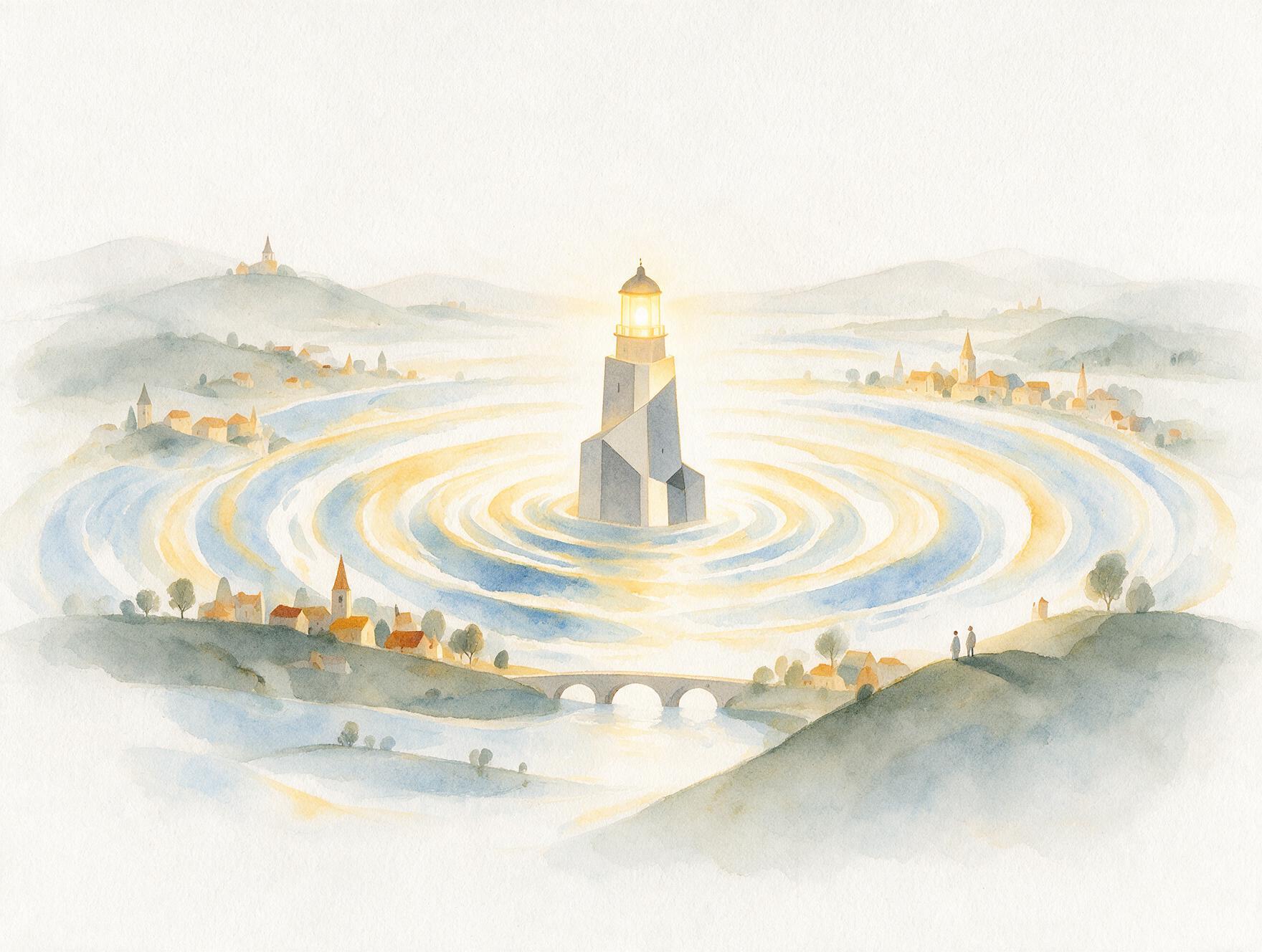
Visibility is a participation strategy that increases public attention around an issue, concern, or proposal.Participants create repeated public signals that make the issue easier to notice and understand. This can introduce it to new audiences, keep it present in discussion, and help other participation strategies reach more people.This strategy is especially useful when an issue is not well known or is receiving too little attention to gain wider public or institutional interest.“Being noticed is only the first step. Useful visibility also helps people understand the issue and what they can do next.”
insights
Key takeawayVisibility creates the attention an issue may need before other forms of influence can grow.
Characteristics
Best used forShaping public opinion
Influence mechanismPublic attention
Primary focusPublic opinion
Time horizonWeeks
Organizational complexityModerate
External dependencyLow
Why it works
Builds awarenessHelps more people notice an issue, understand it, and see why it matters.
Creates public visibilityMakes an issue easier to notice through public activity, communication, or repeated exposure.
Creates social proofShows that other people support or participate in an initiative, which can encourage others to participate.
Shifts public perceptionChanges how people understand an issue, proposal, institution, or possible course of action.
Increases participationCreates clear and meaningful ways for more people to participate.
How influence develops
1. Define what should be noticedIdentify the issue, perspective, or proposal that needs more public or institutional attention.
2. Create clear signalsPresent the issue through clear and consistent messages, activities, or other public-facing communication.
3. Reach relevant audiencesPlace those signals where the people who need to notice the issue are likely to encounter them.
4. Repeat and reinforce attentionContinued exposure helps the issue remain visible instead of disappearing after one moment of attention.
5. Build wider awarenessAs more relevant people notice and recognize the issue, it gains a stronger place in public discussion.
6. Support further influenceGreater awareness creates a stronger basis for mobilization, pressure, institutional engagement, and other strategies.
Decision guide
Use this strategy when
the issue is not receiving enough public attention
greater awareness would help other forms of participation
relevant audiences can be reached through public-facing activity
the issue can be explained through clear and recognizable messages
continued attention matters more than a single moment of exposure
Avoid it when
the issue already has enough awareness and attention
the main problem is resistance from decision-makers rather than lack of awareness
public exposure could create serious risks for participants or affected people
there is no clear next step for people who become interested in the issue
Strategic strengths
check_circle
Expands awarenessPublic-facing activity can introduce an issue to people who may not otherwise encounter it.
check_circle
Keeps the issue presentRepeated attention can help prevent an issue from disappearing after a brief period of interest.
check_circle
Supports further participationPeople usually need to notice and understand an issue before deciding whether to participate.
check_circle
Strengthens other strategiesGreater awareness can increase the reach of Community Mobilization, Public Pressure, Resource Generation, and Institutional Engagement.
Practical limitations
Attention is not actionPeople can notice or understand an issue without changing their behavior or participating.
Attention is limitedMany issues compete for public attention, so keeping an issue visible can be difficult.
Reach can stay shallowMany people may recognize an issue without understanding it in much detail.
Needs a next stepAwareness is more useful when interested people have a clear way to learn more, participate, or support further action.
Risks & ethics
MisrepresentationThe initiative may overstate support, evidence, representation, or likely results.
Reputational riskPoor conduct, inaccurate claims, or failed actions may reduce trust in the initiative.
ManipulationInformation, pressure, or participation may be used to influence people without enough transparency.
Participant safetyParticipants may face physical, emotional, social, professional, or legal harm.
Loss of trustPoor transparency, weak follow-through, or unfair processes may damage relationships and trust.
security
InsightMore attention increases the need for accuracy. Keep the issue simple enough to understand without misrepresenting what happened, who is affected, or what is known.
Common mistakes
Unclear goalThe initiative has not clearly defined the result the strategy should support.
Poor communicationParticipants do not receive clear, timely, or consistent information about the work.
Insufficient evidenceClaims or decisions are made without enough credible information.
Measuring only numbersSuccess is judged only by counts instead of also considering quality, influence, or lasting results.
Expecting immediate resultsThe initiative expects meaningful change before the relationships, evidence, or influence needed for it have developed.
Expected outcomes
Greater awarenessMore people recognize the issue and understand why it matters.
Stronger public supportMore people openly support the initiative, its request, or its proposed direction.
Higher participationMore people participate, contribute, or stay involved over time.
Better public dialoguePublic discussion becomes better informed, more constructive, and more focused on the issue.
Sustained participationPeople continue to participate beyond a single event, decision, or campaign.
Works well with





FAQ
Is visibility the same as public pressure?No. Visibility mainly increases awareness and attention. Public Pressure uses visible participation to change the incentives of a specific target.
How can you tell if visibility is increasing?Look for signs such as more relevant people seeing the issue, more discussion, more information seeking, wider coverage, or movement into deeper forms of participation.
Is reaching more people always better?No. Reaching the people who matter to the objective can be more useful than reaching the largest possible audience.
What should happen after people become aware of an issue?Give them a useful next step, such as learning more, participating, contributing resources, contacting a decision-maker, or joining another activity.