




Participation scaleMass participation
Best used forVisible public support
At a glance
Participants doAttend a public gathering and show support for or opposition to an issue.
Organizers doPlan a safe, legal, and accessible gathering. Explain its purpose and give participants clear information.
ProducesA visible public show of shared support, concern, or opposition.
What is Demonstration?
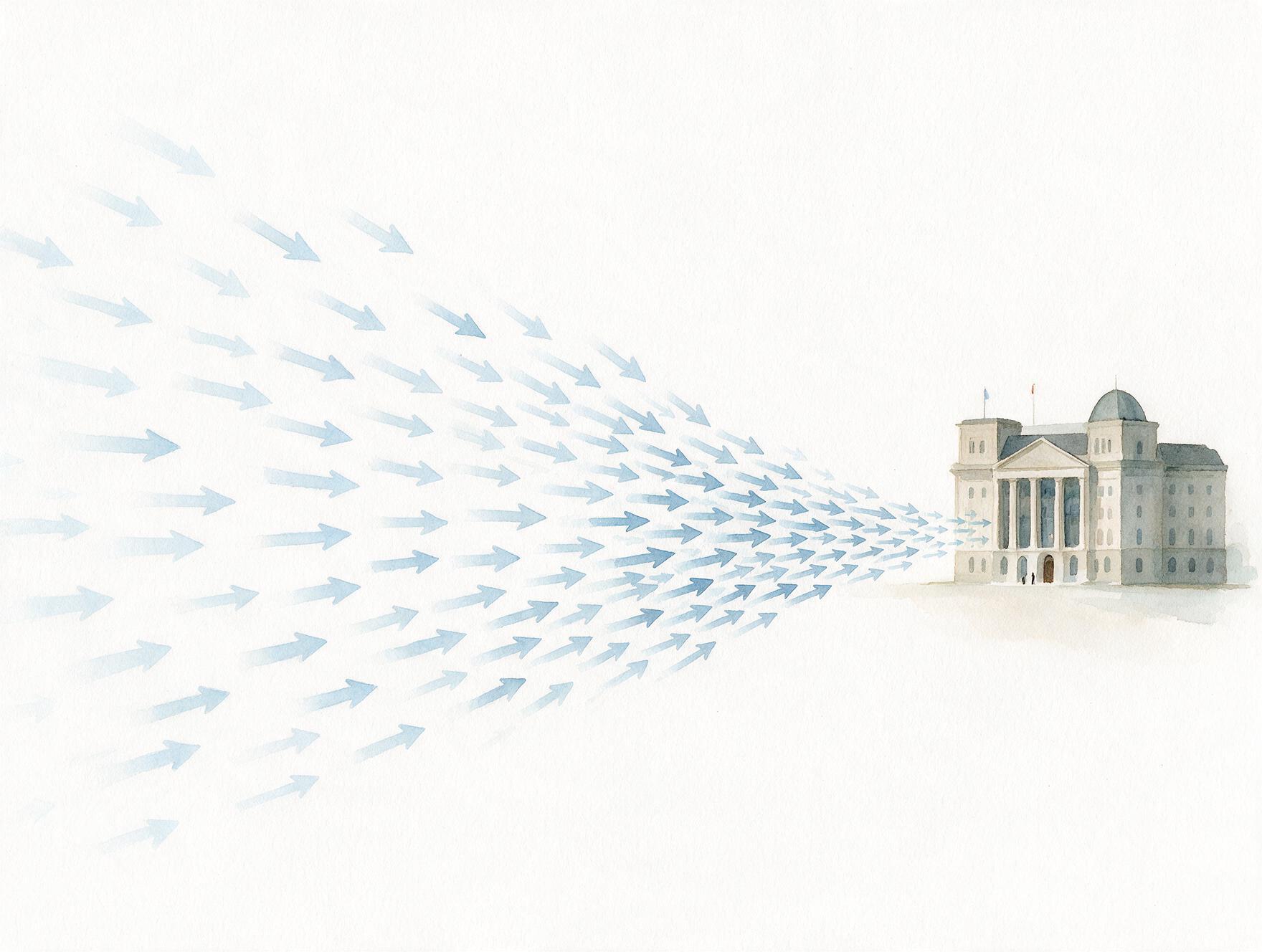
A demonstration is a public gathering where people show support for or opposition to an issue.Participants meet at the same time and place. Together, they make their shared position visible to others.A demonstration does not create change by itself. It can draw attention to an issue and show how strongly people care about it.
insights
Key takeawayA demonstration brings people together to make their shared position visible in public.
Characteristics
Best used forVisible public support
Participation scaleMass participation
Target audienceGeneral public
Time commitment1–4 h
Effort requiredMedium
Coordination requiredVery high
Resource costMedium
Participant journey
1. DiscoverFind the opportunity and understand what it is about.
2. LearnRead the background and understand what participation involves.
3. PrepareGather what you need and get ready to participate.
4. RegisterSign up or reserve your place.
5. AttendJoin the event, session, or gathering.
6. ParticipateParticipate according to the organizer's instructions.
7. RecordLog your participation or what you completed.
8. Follow upCheck the outcome and respond if anything else is needed.
Organizer responsibilities
Define the goal
Identify the target
Design the participation method
Prepare materials
Recruit participants
Promote
Coordinate
Support participants
Moderate
Evaluate
Communicate the outcome
Quality checklist
Clear objectiveThe purpose and intended result of the participation method are clearly defined.
Defined targetThe person, group, or institution expected to receive or respond to the result is clearly identified.
Clear instructionsParticipants can understand what to do, how to do it, and when their participation is complete.
Realistic scopeThe participation method can be run with the available time, people, skills, and resources.
AccessibleRelevant physical, digital, language, and other participation barriers have been considered.
InclusiveAffected people have a reasonable opportunity to participate.
Delivery plannedThe organizer knows how the contribution or result will be delivered, used, or acted on.
Transparent processParticipants can understand how contributions are collected, reviewed, used, and communicated.
Strategic strengths
Makes participation visibleWhen people gather together, others can see how many people care about the issue.
Draws attentionA demonstration can bring public, media, and decision-maker attention to an issue.
Brings people togetherParticipating together can help people feel connected and stay involved.
Practical limitations
Requires coordinationPeople, roles, activities, or schedules need to be coordinated.
Requires volunteersThe participation method depends on enough people being available for practical or organizational work.
Requires a venueA suitable physical or virtual place is needed.
Requires permissionApproval, authorization, licensing, or access may be needed before the participation method can proceed.
Requires participant commitmentParticipants need to invest meaningful time, effort, or continued involvement.
Depends on public interestThe participation method works better when enough people care about or notice the issue.
Risks & safeguards
Unsafe environmentAssess likely safety risks and provide participants with clear guidance, support, and suitable precautions.
Participant harassmentSet clear conduct rules and provide ways to report and respond to inappropriate behavior.
Legal complianceIdentify relevant legal requirements early and seek appropriate guidance when responsibilities are unclear.
Resource overloadKeep the scope of participation within the time, people, and resources available to manage it properly.
Volunteer burnoutKeep workloads realistic, share responsibilities, and avoid relying repeatedly on the same participants.
Unrealistic expectationsExplain what participation can influence, what remains uncertain, and what will happen after contributions are collected.
security
InsightParticipant safety should come before visibility, attendance, or the impact of the demonstration.
Accessibility
Physical accessConsider whether venues, routes, seating, or activities support different physical access needs.
Location flexibilityConsider whether people can participate from more than one location.
Financial barriersConsider whether travel, materials, fees, lost work time, or other costs could prevent participation.
Alternative ways to participateConsider whether another way to contribute should be available for people who cannot use the main participation method.
Common mistakes
Unclear goalThe initiative has not clearly defined the result the strategy should support.
Unclear targetThe people or institutions expected to respond have not been clearly identified.
Lack of planningThe strategy begins without clear steps, roles, resources, or ways to track progress.
Measuring only numbersSuccess is judged only by counts instead of also considering quality, influence, or lasting results.
Works well with






FAQ
What makes a demonstration effective?A clear purpose, good timing and location, enough participants, and a connection to other actions can all make a difference.
Does a demonstration need to be large?No. The number of participants matters, but timing, location, visibility, and who participates can also affect its impact.
Can demonstrations create change on their own?Sometimes. But demonstrations often have more impact when they are combined with other forms of participation.