


Primary focusCommunities
Influence mechanismDirect action
At a glance
Best forCreating a direct practical effect on a situation.
Creates change byActing on the problem itself instead of relying mainly on others to respond.
Works best whenParticipants can safely and realistically improve the situation through direct action.
What is Direct Intervention?
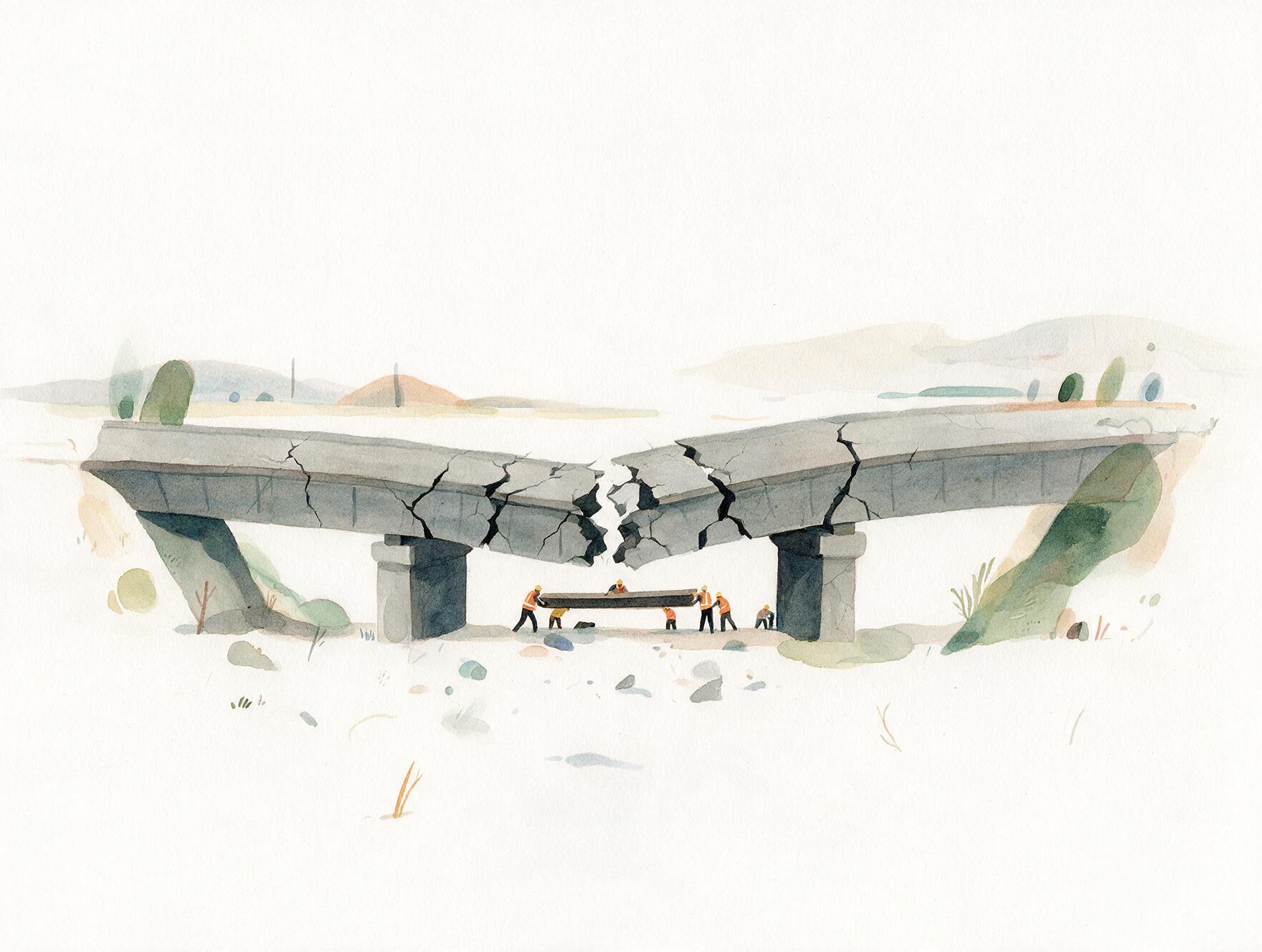
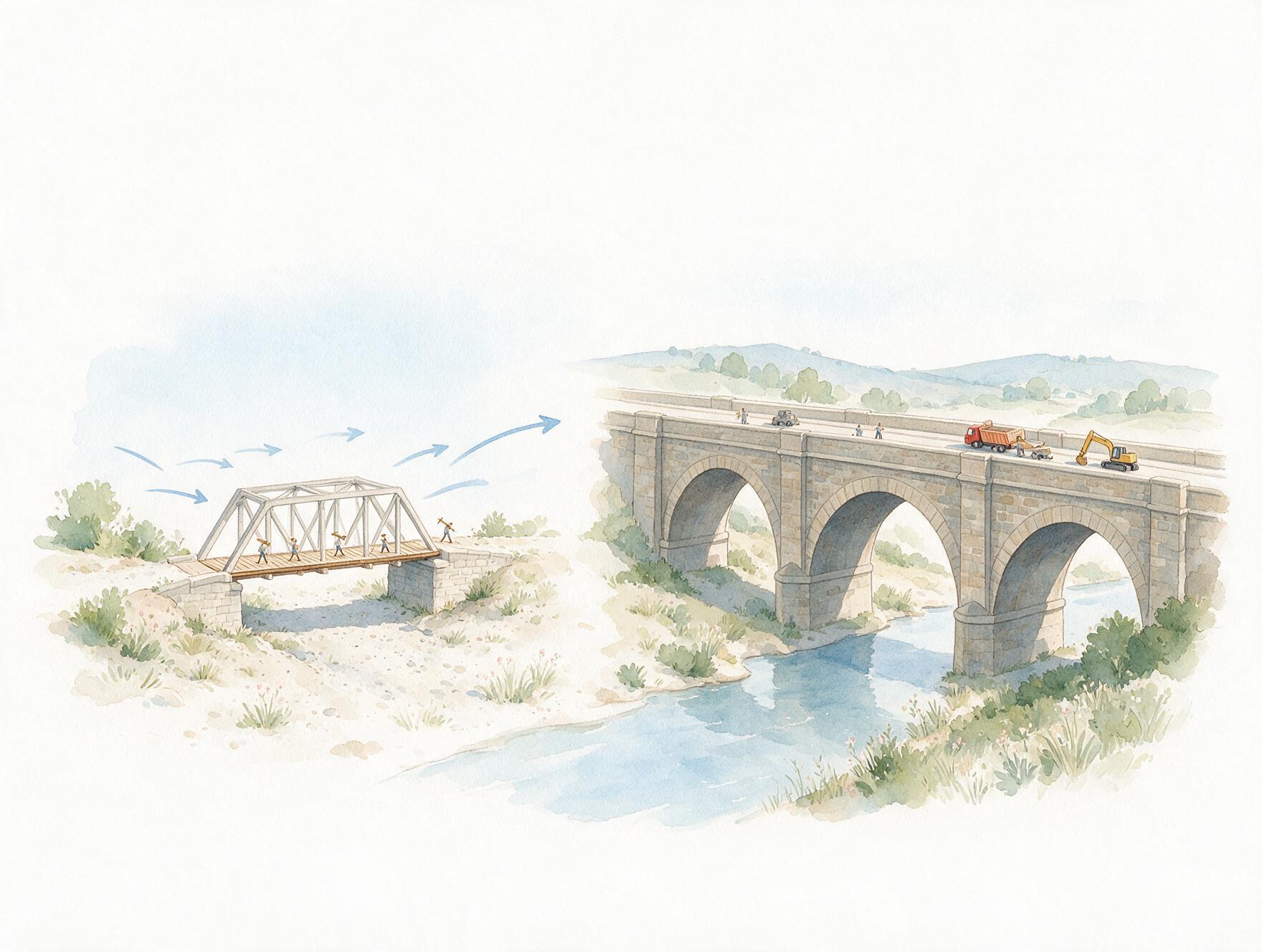
Direct Intervention is a participation strategy that tries to change a situation through practical action.Instead of mainly asking another person or organization to act, participants address part of the problem themselves. They may provide support, prevent harm, improve conditions, or meet a clear practical need.This strategy is especially useful when participants can create a real and useful effect directly.“Some problems can be influenced from outside. Others can be changed through direct action.”
insights
Key takeawayDirect Intervention creates change by acting on the problem itself.
Characteristics
Best used forDeveloping solutions
Influence mechanismDirect action
Primary focusCommunities
Time horizonWeeks–Months
Organizational complexityHeavy
External dependencyModerate
Why it works
Demonstrates feasibilityShows through practical experience that an approach can work under real conditions.
Develops solutionsTurns concerns, knowledge, and ideas into concrete proposals or practical approaches.
Builds legitimacyShows that an initiative has a credible basis, relevant support, or appropriate evidence.
Reduces uncertaintyProvides information or practical experience that makes risks, options, and possible outcomes clearer.
Builds capacityStrengthens the skills, knowledge, tools, and structures people need to act effectively.
How influence develops
1. Identify what can be changedFocus on a clear problem where participants can create a useful practical effect themselves.
2. Define a direct responseDecide what participants can do to address the problem without relying mainly on another actor.
3. Prepare for actionBring together the people, skills, materials, and coordination needed to carry out the response.
4. Act on the situationParticipants provide support, prevent harm, improve conditions, or otherwise change part of the problem directly.
5. Review the effectCheck whether the action produced the intended result and whether it caused any unexpected problems.
6. Improve or extend the responseUse what was learned to improve the action, continue it where needed, or apply it more widely.
Decision guide
Use this strategy when
participants can directly improve part of the situation
a practical response can create useful immediate results
waiting for another actor would leave a need unmet
participants have the skills and resources needed to act safely
the practical results can be observed and reviewed
Avoid it when
participants cannot realistically affect the problem directly
the action could create serious risks or unintended harm
formal authority or permission is required before meaningful action can happen
the main objective is to change policy rather than conditions directly
Strategic strengths
check_circle
Creates practical resultsParticipants can improve part of a situation directly instead of waiting for another actor to act first.
check_circle
Makes contributions tangibleParticipants can often see a clear connection between what they do and the result it creates.
check_circle
Builds practical knowledgeDirect action can show participants more about the problem and which approaches work under real conditions.
check_circle
Can show alternativesA successful intervention can provide practical evidence that another approach or set of conditions is possible.
Practical limitations
May have limited reachDirect action can improve one situation without changing the wider causes behind the problem.
Can need many resourcesPractical action may require people, materials, expertise, permissions, or continued funding.
Can shift responsibilityParticipant-led solutions can reduce pressure on institutions or organizations that are formally responsible for addressing the problem.
Carries practical risksWorking directly in a situation can create safety, legal, or operational risks for participants and affected people.
Risks & ethics
Participant safetyParticipants may face physical, emotional, social, professional, or legal harm.
Legal riskActivities may create legal, regulatory, contractual, or liability concerns.
False expectationsParticipants may expect influence or results that the strategy cannot realistically provide.
Unequal accessSome people may have fewer opportunities to participate because of practical or structural barriers.
Reputational riskPoor conduct, inaccurate claims, or failed actions may reduce trust in the initiative.
security
InsightThe wish to act directly should never override participant safety, the interests of affected people, or responsibilities that belong to qualified or accountable institutions.
Common mistakes
Lack of planningThe strategy begins without clear steps, roles, resources, or ways to track progress.
Underestimating resourcesThe initiative does not account for the time, people, funding, or expertise the work requires.
Starting too bigThe initiative begins with large-scale activity before building the foundation needed to support it.
Insufficient evidenceClaims or decisions are made without enough credible information.
Weak follow-upThe initiative does not communicate results, maintain relationships, or act on what was learned.
Expected outcomes
Implemented solutionsA proposed solution is put into practice and begins producing practical results.
Behavior changeIndividuals, organizations, or institutions change how they act.
Better evidenceThe initiative gains more credible, relevant, and well-organized information.
Stronger communityParticipants develop stronger relationships, trust, and shared responsibility.
Sustained participationPeople continue to participate beyond a single event, decision, or campaign.
Works well with






FAQ
How is direct intervention different from advocating for change?Direct Intervention changes part of the situation through participant action. Advocacy mainly tries to influence another actor to make the change.
Does direct intervention need to solve the whole problem?No. It can address one useful part of a problem as long as its purpose and limits are clear.
Can direct intervention support wider change?Yes. Practical action can test alternatives, produce evidence, build skills, or support a wider case for institutional change.
When can direct intervention become a problem?It needs particular care when participants could cause harm, take on responsibilities they cannot safely manage, or replace actors that have formal duties.