



Primary focusDecision-makers
Influence mechanismPractical demonstration
At a glance
Best forTesting and demonstrating practical solutions.
Creates change byProducing real-world evidence about whether an approach works.
Works best whenA proposed solution can be tested safely on a limited scale before wider use.
What is Pilot Implementation?
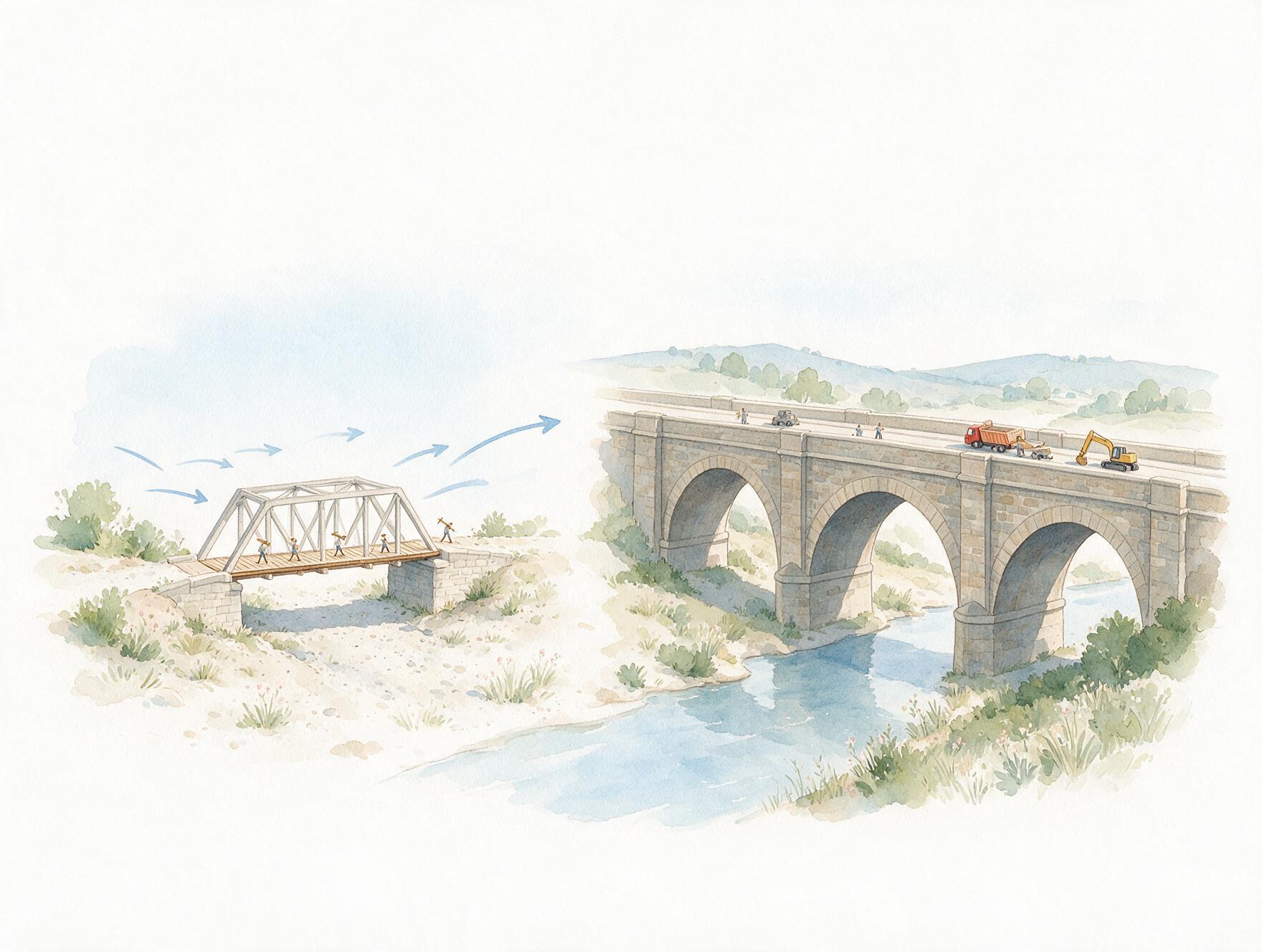
Pilot Implementation is a participation strategy that tests a proposed solution in a real setting on a limited scale.Instead of only discussing whether an idea might work, participants put it into practice. This can reveal practical problems, show what works, improve the design, and provide evidence about the results.This strategy is especially useful when uncertainty about how a solution will work in practice is limiting wider support or adoption.“A useful pilot shows what worked, for whom, under which conditions, and what should happen next.”
insights
Key takeawayA real-world pilot can turn a proposed solution into practical evidence.
Characteristics
Best used forTesting solutions
Influence mechanismPractical demonstration
Primary focusDecision-makers
Time horizonMonths
Organizational complexityHeavy
External dependencyModerate
Why it works
Demonstrates feasibilityShows through practical experience that an approach can work under real conditions.
Reduces uncertaintyProvides information or practical experience that makes risks, options, and possible outcomes clearer.
Generates evidenceProduces structured information that can support claims, proposals, decisions, or accountability.
Develops solutionsTurns concerns, knowledge, and ideas into concrete proposals or practical approaches.
Builds legitimacyShows that an initiative has a credible basis, relevant support, or appropriate evidence.
How influence develops
1. Define the proposed solutionDescribe the approach to be tested and what the pilot should help you learn.
2. Design a limited pilotChoose a scale and setting that can provide useful evidence while keeping risks and resources manageable.
3. Test it in real conditionsPut the solution into practice so participants can see how it works outside a theoretical setting.
4. Measure results and problemsCollect information about outcomes, practical difficulties, unexpected effects, and participant experiences.
5. Improve the solutionUse what was learned to address weaknesses and improve the approach.
6. Build the case for wider useA credible pilot can reduce uncertainty and provide practical evidence for continuing, expanding, or adopting the solution.
Decision guide
Use this strategy when
a promising solution has not yet been tested in real conditions
practical evidence could reduce uncertainty about wider use
the solution can be tested on a manageable scale
results and implementation problems can be meaningfully reviewed
the solution can still be changed based on what is learned
Avoid it when
the approach is already well tested in similar conditions
a limited test cannot provide useful evidence about the solution
the pilot would expose participants to unreasonable risks
there is no realistic path from a successful pilot to wider use
Strategic strengths
check_circle
Tests feasibility in practiceReal-world implementation can reveal problems and opportunities that theoretical analysis may miss.
check_circle
Reduces uncertaintyObserved results provide a stronger basis for deciding whether an approach should continue or expand.
check_circle
Allows early improvementA limited test makes it possible to find weaknesses and improve the solution before wider use.
check_circle
Makes alternatives concreteA working example can make a proposed solution easier for participants and decision-makers to understand and assess.
Practical limitations
Results may not transferAn approach that works on a small scale may perform differently in another place or with many more people.
Needs implementation capacityEven a limited pilot needs enough people, resources, coordination, and practical support.
Short tests can miss long-term effectsSome benefits, costs, and unexpected effects may only appear over a longer period.
Success does not ensure wider useEvidence that a solution works does not mean institutions or other actors will adopt it.
Risks & ethics
Participant safetyParticipants may face physical, emotional, social, professional, or legal harm.
False expectationsParticipants may expect influence or results that the strategy cannot realistically provide.
Unequal accessSome people may have fewer opportunities to participate because of practical or structural barriers.
Legal riskActivities may create legal, regulatory, contractual, or liability concerns.
Resource overloadThe strategy may require more time, people, or resources than the initiative can manage properly.
security
InsightA pilot should be a real test with room to learn and change direction, not a way to justify a decision that has already been made.
Common mistakes
Starting too bigThe initiative begins with large-scale activity before building the foundation needed to support it.
Lack of planningThe strategy begins without clear steps, roles, resources, or ways to track progress.
Underestimating resourcesThe initiative does not account for the time, people, funding, or expertise the work requires.
Measuring only numbersSuccess is judged only by counts instead of also considering quality, influence, or lasting results.
Weak follow-upThe initiative does not communicate results, maintain relationships, or act on what was learned.
Expected outcomes
Implemented solutionsA proposed solution is put into practice and begins producing practical results.
Better evidenceThe initiative gains more credible, relevant, and well-organized information.
Behavior changeIndividuals, organizations, or institutions change how they act.
Stronger organizationsGroups improve their skills, structures, resources, and ability to operate.
Policy changeA policy is introduced, changed, adopted, rejected, or implemented differently.
Works well with







FAQ
How large should a pilot be?Large enough to test the important assumptions under realistic conditions, but small enough to keep costs, risks, and changes manageable.
What should a pilot measure?Measure whether the solution works, how it is implemented, what resources it needs, who benefits, and what unexpected effects appear.
What if the pilot does not work?It can still be useful. A failed pilot can reveal wrong assumptions, practical problems, or changes needed for a better approach.
Does a successful pilot prove that a solution will work at a larger scale?No. Wider use may involve different costs, people, institutions, and conditions that were not part of the pilot.