




Participation scaleProject team
Best used forTesting solutions
At a glance
Participants doParticipate in a small real-world test of an idea or solution.
Organizers doExplain what is being tested, organize the project, manage risks, and review the results.
ProducesPractical results and lessons from a small-scale test.
What is Pilot Project?
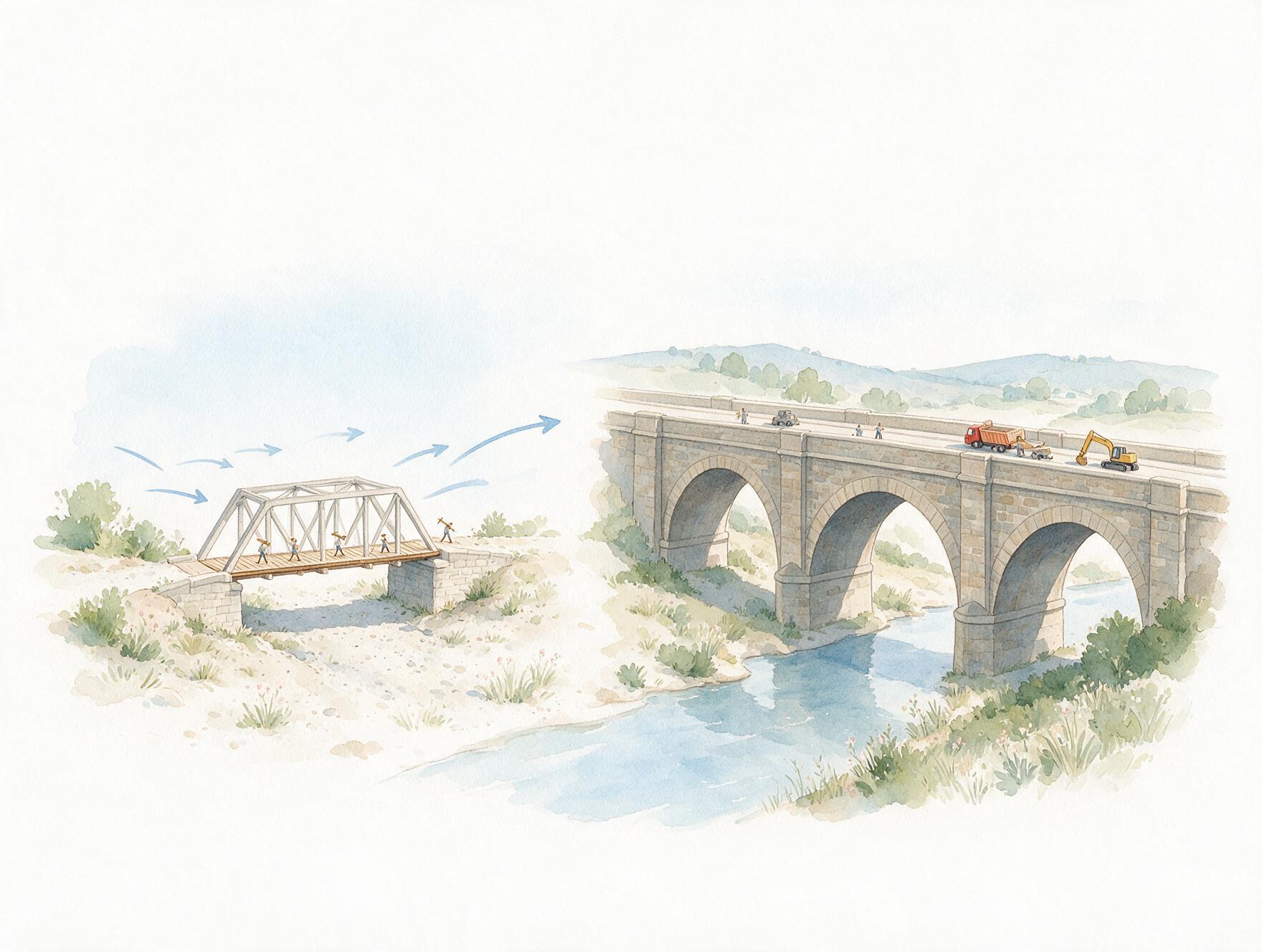
A pilot project tests an idea or solution on a small scale in a real setting.Participants help try the idea in practice. This can show what works, what problems appear, and what is needed.A pilot does not prove that an idea will work everywhere. It helps reduce uncertainty before it is used more widely.
insights
Key takeawayA pilot project tests an idea in the real world before it is used on a larger scale.
Characteristics
Best used forTesting solutions
Participation scaleProject team
Target audienceImplementers
Time commitmentMulti-day or longer
Effort requiredVery high
Coordination requiredVery high
Resource costHigh
Participant journey
1. DiscoverFind the opportunity and understand what it is about.
2. LearnRead the background and understand what participation involves.
3. ReviewCheck the request, materials, or details before you act.
4. PrepareGather what you need and get ready to participate.
5. AcceptConfirm that you want to participate.
6. ParticipateParticipate according to the organizer's instructions.
7. RecordLog your participation or what you completed.
8. CompleteFinish the activity and mark it as complete.
9. Review feedbackRead responses or comments on your contribution.
10. Follow upCheck the outcome and respond if anything else is needed.
Organizer responsibilities
Define the goal
Design the participation method
Prepare materials
Recruit participants
Coordinate
Support participants
Collect results
Review
Evaluate
Communicate the outcome
Archive
Quality checklist
Clear objectiveThe purpose and intended result of the participation method are clearly defined.
Defined audienceThe people expected to participate are clearly identified.
Clear instructionsParticipants can understand what to do, how to do it, and when their participation is complete.
Measurable successThe organizer has defined how progress, completion, or results will be assessed.
Supported by evidenceImportant claims, instructions, or requests are supported by credible information.
Realistic scopeThe participation method can be run with the available time, people, skills, and resources.
Participant feedbackParticipants have a clear way to raise concerns or comment on the process.
Transparent processParticipants can understand how contributions are collected, reviewed, used, and communicated.
Strategic strengths
Tests ideas in practiceA small test shows how an idea works under real conditions.
Reduces uncertaintyA pilot can reveal problems, risks, and needs before a larger project begins.
Provides real evidenceResults from a real test can provide better information than assumptions alone.
Practical limitations
Requires timeParticipants or organizers need enough time to prepare, contribute, or complete the process.
Requires coordinationPeople, roles, activities, or schedules need to be coordinated.
Requires expertiseSpecialist knowledge or qualified support may be needed.
Requires fundingThe participation method may need money for materials, tools, venues, services, or delivery.
Requires documentationInformation, contributions, decisions, or results need to be recorded carefully.
Requires permissionApproval, authorization, licensing, or access may be needed before the participation method can proceed.
Requires participant commitmentParticipants need to invest meaningful time, effort, or continued involvement.
Risks & safeguards
Unsafe environmentAssess likely safety risks and provide participants with clear guidance, support, and suitable precautions.
Poor data qualityDefine what information is needed and review contributions for completeness, relevance, and reliability.
Legal complianceIdentify relevant legal requirements early and seek appropriate guidance when responsibilities are unclear.
Resource overloadKeep the scope of participation within the time, people, and resources available to manage it properly.
Volunteer burnoutKeep workloads realistic, share responsibilities, and avoid relying repeatedly on the same participants.
Unrealistic expectationsExplain what participation can influence, what remains uncertain, and what will happen after contributions are collected.
security
InsightDo not expose participants or communities to unnecessary risk just to test whether an idea works.
Accessibility
Skill barriersConsider whether the participation method requires knowledge or skills that some people may not have.
Time flexibilityConsider whether people can participate at different times instead of during one fixed period.
Physical accessConsider whether venues, routes, seating, or activities support different physical access needs.
Support needsConsider whether some participants may need additional guidance, assistance, or accommodations.
Common mistakes
Starting too bigThe initiative begins with large-scale activity before building the foundation needed to support it.
Lack of planningThe strategy begins without clear steps, roles, resources, or ways to track progress.
Underestimating resourcesThe initiative does not account for the time, people, funding, or expertise the work requires.
Measuring only numbersSuccess is judged only by counts instead of also considering quality, influence, or lasting results.
Works well with






FAQ
How large should a pilot project be?It should be large enough to learn something useful, but small enough to keep costs and risks manageable.
Does a successful pilot prove the solution will work on a larger scale?No. A pilot shows what happens in a limited test. A larger project may face different conditions and problems.
What happens if the pilot fails?It can still be useful. A failed pilot can show what did not work and what should change.