



Participation scaleSmall group
Best used forCollaborative planning
At a glance
Participants doWork with others to develop ideas, plans, or solutions.
Organizers doExplain the goal, prepare the session, guide the group, and record the results.
ProducesIdeas, decisions, plans, or other useful results developed together.
What is Workshop?
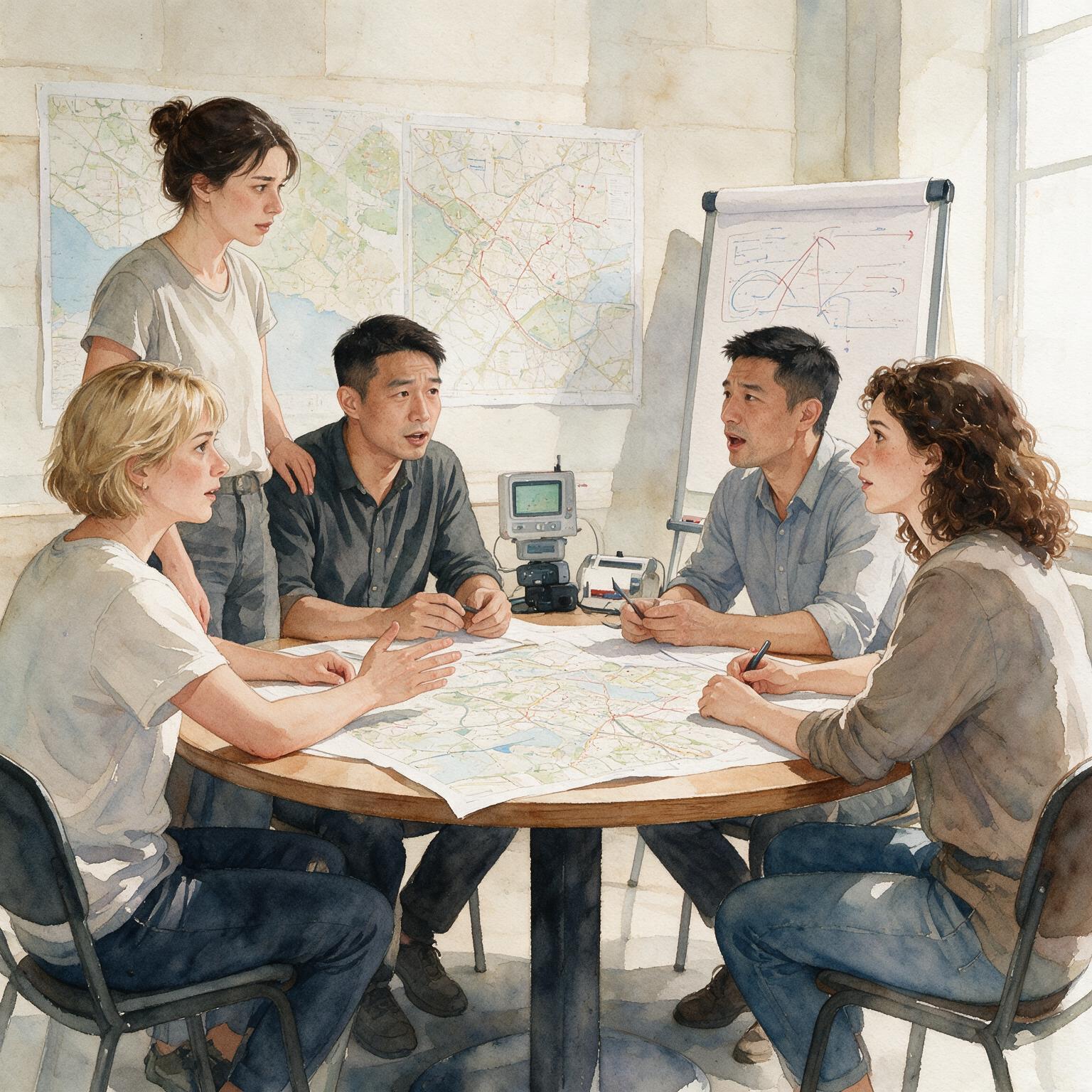
A workshop is a session where participants work together to develop ideas, plans, solutions, or other useful results.Participants actively share ideas, discuss different views, and build on each other’s contributions.Unlike a public meeting, a workshop focuses on working together and usually aims to produce something useful by the end.
insights
Key takeawayA workshop brings people together to create ideas, plans, solutions, or other useful results.
Characteristics
Best used forCollaborative planning
Participation scaleSmall group
Target audienceCollaborators
Time commitment2–4 h
Effort requiredHigh
Coordination requiredHigh
Resource costMedium
Participant journey
1. DiscoverFind the opportunity and understand what it is about.
2. LearnRead the background and understand what participation involves.
3. ReviewCheck the request, materials, or details before you act.
4. PrepareGather what you need and get ready to participate.
5. RegisterSign up or reserve your place.
6. AttendJoin the event, session, or gathering.
7. DiscussShare views, ask questions, and listen to others.
8. CollaborateWork with others toward a shared result.
9. CompleteFinish the activity and mark it as complete.
10. Follow upCheck the outcome and respond if anything else is needed.
Organizer responsibilities
Define the goal
Design the participation method
Prepare materials
Recruit participants
Coordinate
Moderate
Support participants
Collect results
Review
Communicate the outcome
Quality checklist
Clear objectiveThe purpose and intended result of the participation method are clearly defined.
Defined audienceThe people expected to participate are clearly identified.
Clear instructionsParticipants can understand what to do, how to do it, and when their participation is complete.
AccessibleRelevant physical, digital, language, and other participation barriers have been considered.
InclusiveAffected people have a reasonable opportunity to participate.
Realistic scopeThe participation method can be run with the available time, people, skills, and resources.
Participant feedbackParticipants have a clear way to raise concerns or comment on the process.
Transparent processParticipants can understand how contributions are collected, reviewed, used, and communicated.
Delivery plannedThe organizer knows how the contribution or result will be delivered, used, or acted on.
Strategic strengths
Creates ideas togetherParticipants can build on each other’s knowledge and ideas instead of working separately.
Produces useful resultsA workshop can produce clear ideas, priorities, plans, designs, or decisions.
Supports deeper collaborationParticipants can discuss different views, improve ideas, and build a shared understanding.
Practical limitations
Requires timeParticipants or organizers need enough time to prepare, contribute, or complete the process.
Requires coordinationPeople, roles, activities, or schedules need to be coordinated.
Requires facilitationA facilitator may be needed to guide participation and keep the process useful.
Requires a venueA suitable physical or virtual place is needed.
Requires participant commitmentParticipants need to invest meaningful time, effort, or continued involvement.
Risks & safeguards
Low participationSet realistic participation expectations and plan how to reach the intended audience.
Participant harassmentSet clear conduct rules and provide ways to report and respond to inappropriate behavior.
Resource overloadKeep the scope of participation within the time, people, and resources available to manage it properly.
Poor data qualityDefine what information is needed and review contributions for completeness, relevance, and reliability.
Unrealistic expectationsExplain what participation can influence, what remains uncertain, and what will happen after contributions are collected.
security
InsightDo not present workshop results as a shared agreement if participants had different views or did not agree.
Accessibility
Physical accessConsider whether venues, routes, seating, or activities support different physical access needs.
Language accessConsider whether translated materials, interpretation, or participation in several languages may be needed.
Clear communicationConsider whether the intended audience can clearly understand the instructions and participation requirements.
Support needsConsider whether some participants may need additional guidance, assistance, or accommodations.
Common mistakes
Unclear goalThe initiative has not clearly defined the result the strategy should support.
Trying to do too muchThe scope is too broad for the available time, people, or resources.
Excluding affected peopleRelevant or affected people are left out of planning, participation, or decision-making.
Weak follow-upThe initiative does not communicate results, maintain relationships, or act on what was learned.
Works well with



FAQ
How is a workshop different from a public meeting?A workshop focuses on working together and producing a result. A public meeting mainly focuses on sharing information, asking questions, and discussing an issue.
How many people should join a workshop?There is no fixed number. The group should be small enough for everyone to participate in the work.
Do workshop participants need to agree?No. A workshop can produce different ideas, findings, or areas of disagreement without everyone reaching the same conclusion.