




Participation scaleGroup participation
Best used forDiscussion and exchange
At a glance
Participants doAttend the meeting to listen, ask questions, discuss the issue, and share your views.
Organizers doExplain the purpose, provide useful information, guide the discussion, and record important results.
ProducesA discussion that brings together questions, views, concerns, and possible next steps.
What is Public Meeting?
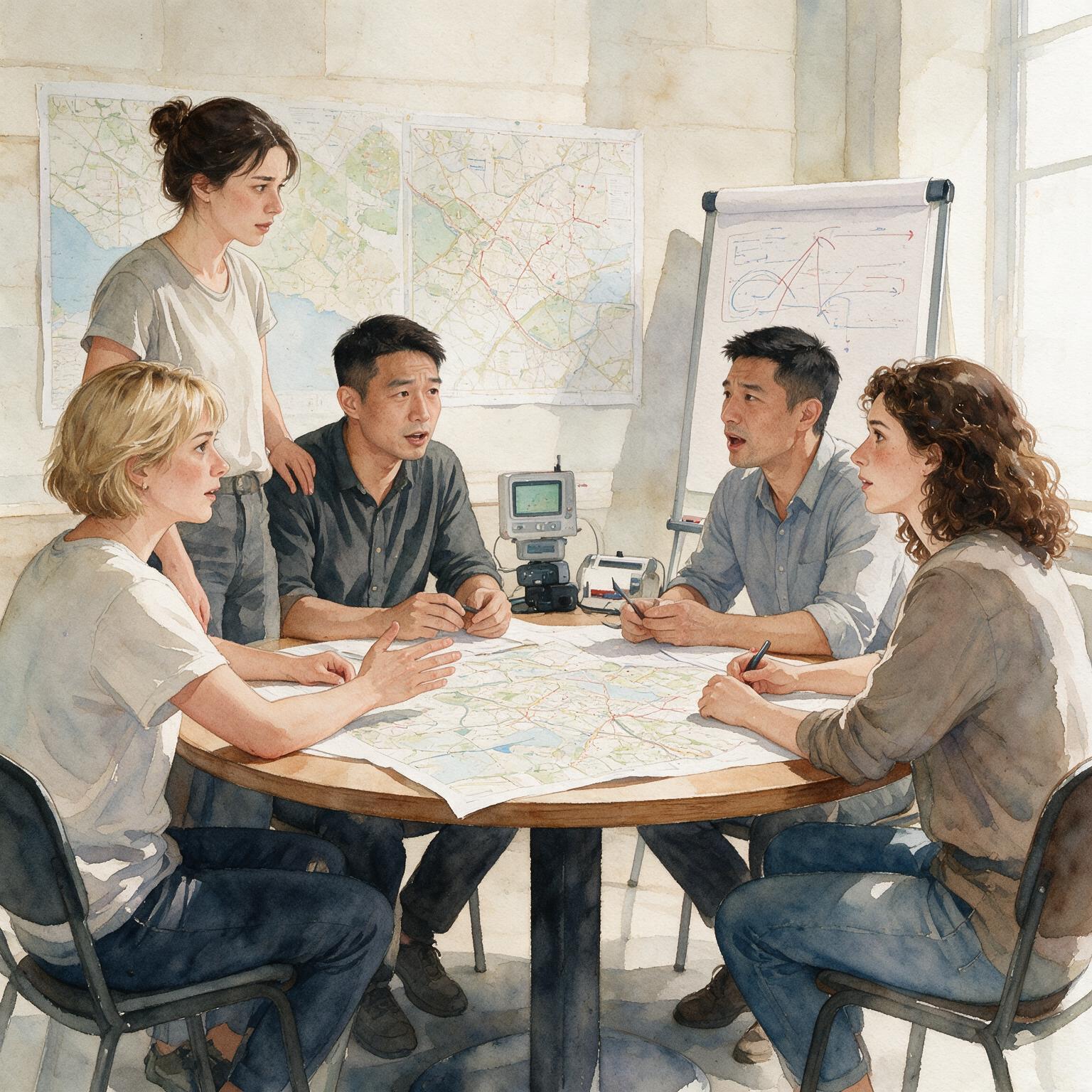
A public meeting brings people together to share information, ask questions, and discuss an issue.Participants can hear different views, raise concerns, respond to others, and share their own thoughts.A public meeting allows people to speak and respond to each other directly instead of only giving individual answers.
insights
Key takeawayA public meeting gives people a shared space to learn, ask questions, and discuss an issue.
Characteristics
Best used forDiscussion and exchange
Participation scaleGroup participation
Target audienceCommunity
Time commitment1–2 h
Effort requiredMedium
Coordination requiredMedium
Resource costMedium
Participant journey
1. DiscoverFind the opportunity and understand what it is about.
2. LearnRead the background and understand what participation involves.
3. PrepareGather what you need and get ready to participate.
4. RegisterSign up or reserve your place.
5. AttendJoin the event, session, or gathering.
6. DiscussShare views, ask questions, and listen to others.
7. ParticipateParticipate according to the organizer's instructions.
8. Follow upCheck the outcome and respond if anything else is needed.
Organizer responsibilities
Define the goal
Prepare materials
Recruit participants
Promote
Coordinate
Moderate
Support participants
Review
Communicate the outcome
Quality checklist
Clear objectiveThe purpose and intended result of the participation method are clearly defined.
Defined audienceThe people expected to participate are clearly identified.
Clear instructionsParticipants can understand what to do, how to do it, and when their participation is complete.
AccessibleRelevant physical, digital, language, and other participation barriers have been considered.
InclusiveAffected people have a reasonable opportunity to participate.
Participant feedbackParticipants have a clear way to raise concerns or comment on the process.
Transparent processParticipants can understand how contributions are collected, reviewed, used, and communicated.
Follow-up plannedParticipants will receive relevant updates after they contribute.
Strategic strengths
Allows open discussionParticipants can ask questions, respond to others, and discuss different views together.
Shares information directlyOrganizers and participants can explain information, answer questions, and clear up misunderstandings during the meeting.
Makes different views visiblePeople can hear different opinions and concerns directly from others.
Practical limitations
Requires coordinationPeople, roles, activities, or schedules need to be coordinated.
Requires facilitationA facilitator may be needed to guide participation and keep the process useful.
Requires a venueA suitable physical or virtual place is needed.
Requires technologyParticipation depends on suitable devices, software, internet access, or technical support.
Requires participant commitmentParticipants need to invest meaningful time, effort, or continued involvement.
Risks & safeguards
Participant harassmentSet clear conduct rules and provide ways to report and respond to inappropriate behavior.
Unsafe environmentAssess likely safety risks and provide participants with clear guidance, support, and suitable precautions.
Privacy concernsCollect only necessary participant information and explain clearly how it will be used.
Resource overloadKeep the scope of participation within the time, people, and resources available to manage it properly.
Unrealistic expectationsExplain what participation can influence, what remains uncertain, and what will happen after contributions are collected.
security
InsightThe people who attend do not always represent everyone. Do not assume that the loudest or most active participants speak for the whole community.
Accessibility
Physical accessConsider whether venues, routes, seating, or activities support different physical access needs.
Language accessConsider whether translated materials, interpretation, or participation in several languages may be needed.
Remote participationConsider whether people can participate without being physically present.
Clear communicationConsider whether the intended audience can clearly understand the instructions and participation requirements.
Common mistakes
Unclear goalThe initiative has not clearly defined the result the strategy should support.
Excluding affected peopleRelevant or affected people are left out of planning, participation, or decision-making.
Token participationPeople are invited to participate without having a meaningful role or real influence.
Poor coordinationRoles, activities, timelines, or responsibilities are not properly aligned.
Works well with





FAQ
Who should be able to attend?This depends on the purpose of the meeting. Organizers should clearly explain who can attend and whether there are any limits.
Does a public meeting need a moderator?Not always. A moderator can help when many people participate, views differ strongly, or the topic is difficult.
Does the meeting represent the wider community?Not always. The meeting shows the views of the people who participated, not what everyone in the community thinks.