


Primary focusParticipants
Influence mechanismCapability
At a glance
Best forHelping people become better prepared to participate.
Creates change byBuilding the skills, knowledge, and readiness needed for effective action.
Works best whenParticipants want to contribute but need more preparation before taking on demanding work.
What is Capacity Building?
Capacity Building is a participation strategy that helps people and groups become better able to contribute.It can build skills, knowledge, coordination, leadership, and practical experience. This can help participants take on more responsibility and prepare for more demanding activities.This strategy is especially useful when people want to participate but do not yet have everything they need to contribute effectively.“Participation becomes more effective when people are prepared to act.”
insights
Key takeawayBuilding people's abilities helps them participate more effectively and take on more responsibility over time.
Characteristics
Best used forBuilding capacity
Influence mechanismCapability
Primary focusParticipants
Time horizonWeeks–Months
Organizational complexityModerate
External dependencyLow
Why it works
Builds capacityStrengthens the skills, knowledge, tools, and structures people need to act effectively.
Builds trustBuilds confidence through clear communication, consistent action, and reliable relationships.
Builds relationshipsCreates connections that support cooperation, communication, and continued participation.
Coordinates actionAligns people, roles, and activities so that separate contributions support the same objective.
Reduces uncertaintyProvides information or practical experience that makes risks, options, and possible outcomes clearer.
How influence develops
1. Identify what is missingFind the skills, knowledge, coordination, or support that are limiting effective participation.
2. Build useful abilitiesGive participants opportunities to develop the skills and knowledge they need for their roles.
3. Use them in practiceParticipants apply what they are learning in real activities and responsibilities.
4. Build confidence and independenceExperience helps people take on more responsibility with less ongoing support.
5. Spread skills and responsibilityMore participants gain useful knowledge and take on important work instead of relying on a few people.
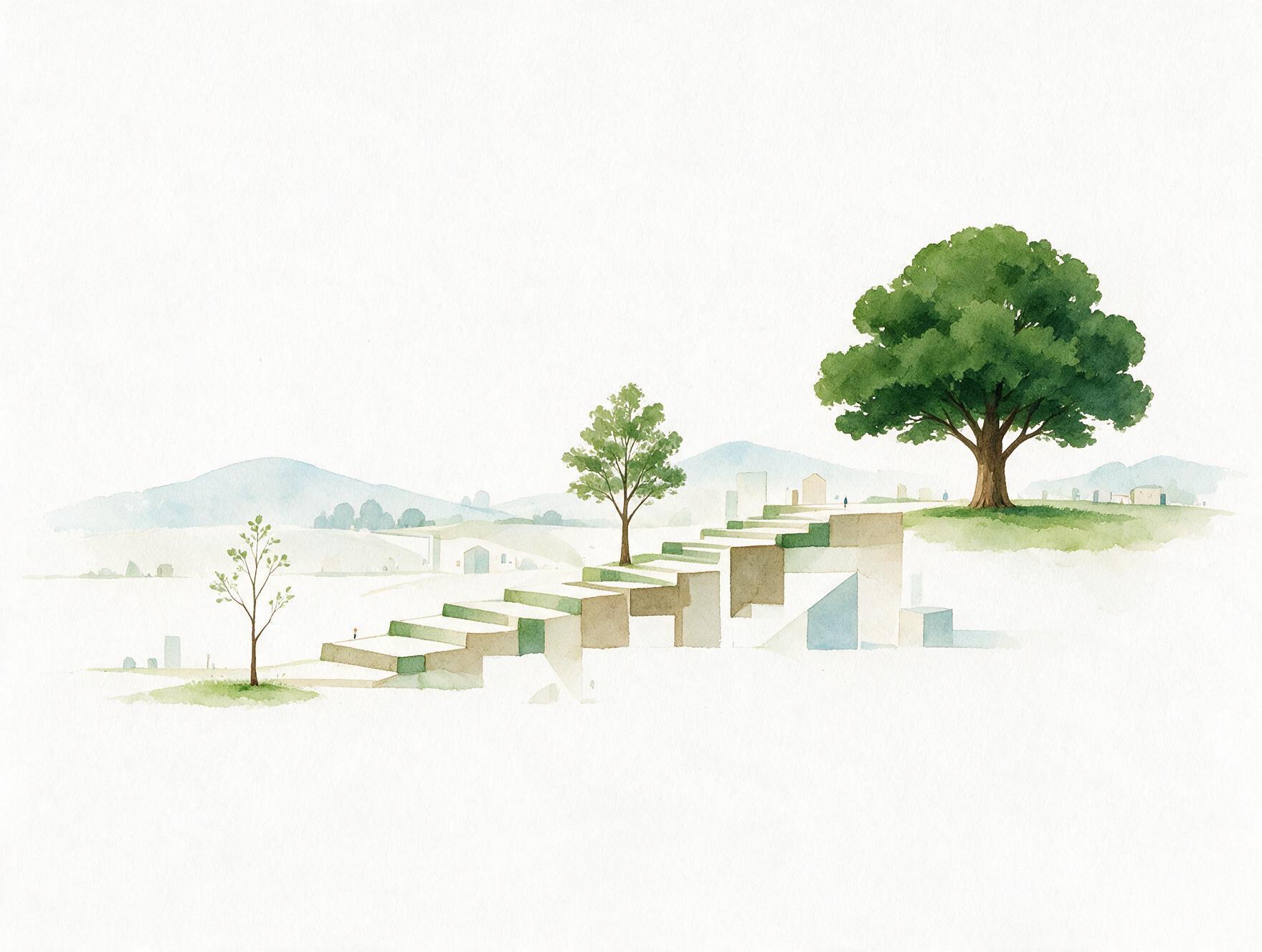
6. Strengthen the groupThe initiative becomes better able to organize, handle more demanding work, and sustain participation over time.
Decision guide
Use this strategy when
participants want to contribute but need more skills or knowledge
future activities require abilities that participants do not yet have
too much important work depends on a few experienced people
participants could take on more responsibility with the right preparation
the initiative needs stronger skills and knowledge for the long term
Avoid it when
participants already have the skills and knowledge they need
an immediate external result is the main priority
lack of money or other resources is the main problem
participants will not have a realistic chance to use what they learn
Strategic strengths
check_circle
Builds lasting skillsSkills and knowledge gained through participation can remain useful after a specific activity ends.
check_circle
Shares responsibilityWhen more people are prepared, important work does not need to depend on only a few experienced participants.
check_circle
Supports deeper participationParticipants can take on more demanding and meaningful roles as their skills and experience grow.
check_circle
Supports future actionBetter-prepared participants can make later activities easier to organize and maintain.
Practical limitations
Takes timeUseful skills often need practice and experience, not just one learning activity.
Creates indirect resultsCapacity Building improves people's ability to act, but it does not usually create an external result by itself.
Needs practical useNew knowledge is less useful if participants do not get a chance to apply it.
Benefits may be unevenDifferences in time, access, confidence, or previous experience can affect who is able to develop new skills.
Risks & ethics
Unequal accessSome people may have fewer opportunities to participate because of practical or structural barriers.
Participant burnoutOngoing demands may exhaust participants or leave too much work with a small group.
Power imbalanceMore influential participants may have too much control over decisions, visibility, resources, or public credit.
False expectationsParticipants may expect influence or results that the strategy cannot realistically provide.
Loss of trustPoor transparency, weak follow-through, or unfair processes may damage relationships and trust.
security
InsightBuilding capacity should help more people participate meaningfully, not concentrate knowledge and responsibility in a small group.
Common mistakes
Unclear goalThe initiative has not clearly defined the result the strategy should support.
Lack of planningThe strategy begins without clear steps, roles, resources, or ways to track progress.
Ignoring feedbackParticipant, community, or expert input is collected but not properly considered.
Measuring only numbersSuccess is judged only by counts instead of also considering quality, influence, or lasting results.
Expecting immediate resultsThe initiative expects meaningful change before the relationships, evidence, or influence needed for it have developed.
Expected outcomes
Stronger organizationsGroups improve their skills, structures, resources, and ability to operate.
Better coordinationPeople and groups work together with clearer roles, communication, and shared plans.
New community leadersMore participants develop the confidence and ability to take responsibility.
Sustained participationPeople continue to participate beyond a single event, decision, or campaign.
Higher participationMore people participate, contribute, or stay involved over time.
Works well with






FAQ
Is capacity building the same as training?No. Training is one participation method that can build capacity. Capacity Building can also develop experience, coordination, leadership, relationships, and ways of working.
How can you tell if capacity has increased?Look at what participants can now do. For example, they may take on new responsibilities, work more independently, coordinate better, or use new skills in practice.
Does capacity building create change on its own?Usually not directly. It prepares people and groups to contribute more effectively to other strategies and future activities.
Who should capacity building focus on?Focus on people whose stronger skills or knowledge would improve participation. Make sure opportunities are not limited to only a small group.